
Can I Buy a Home With $0 Down Using a VA Loan?
 Pearl Cook
What Veterans Need to Know
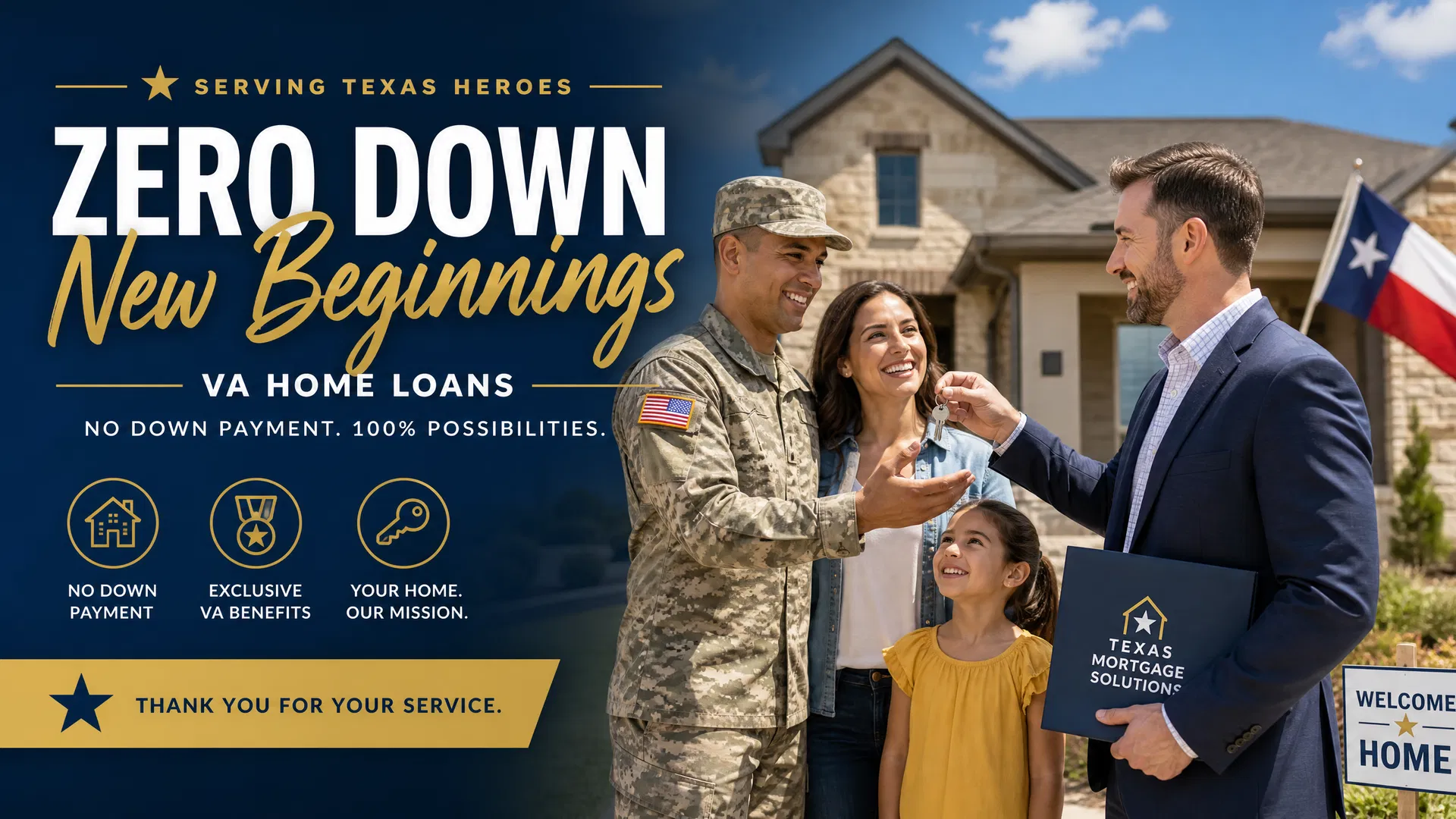
If you’ve heard you can buy a home with $0 down using a VA loan, you heard right.
But here’s where I like to slow people down just a bit…
👉 $0 down does NOT always mean $0 out of pocket.
And if no one explains that upfront, it can catch buyers off guard — especially if you’re PCSing into a market like San Antonio and already juggling moving expenses.
So let’s walk through what “zero down” really means — and how to approach it the smart way.
What “Zero Down” Actually Means
With a VA loan, you can finance 100% of the purchase price of the home.
That means:
- You’re not required to bring a down payment
- You don’t need 3–5% like conventional or FHA
- You can get into a home without draining your savings
And for a lot of military families — especially those relocating to San Antonio — this is a huge advantage.
Because when you’re moving, you’re also dealing with:
- Travel and relocation costs
- Deposits and setup expenses
- Furnishing a new home
- Unexpected costs that always come up
👉 Keeping your cash matters.
So Why Do Some VA Buyers Still Bring Money to Closing?
This is where the confusion usually comes in.
Even though you don’t have a down payment, there are still other costs involved in buying a home — and this is something that should be clearly explained during your preapproval, not at the closing table.
Closing Costs
Contrary to popular belief, closing costs — or at least most of them — cannot be rolled into the loan.
That’s where a lot of buyers get surprised.
However, there are strategies we can use to reduce the amount of closing costs you have to pay at closing, and this is something I walk my clients through early on so there are no surprises.
Prepaid Items
These aren’t really “fees” — they’re things you’d be paying anyway, just collected upfront.
When purchasing a home, the lender collects a certain number of months for property taxes to ensure there are enough funds in your escrow account to pay the county when taxes are due.
A full year of homeowners insurance is also paid at closing to ensure coverage for the upcoming year (similar to how you pay car insurance), plus a few extra months as a cushion so there are enough funds in escrow when the next bill comes due.
You’ll also see prepaid interest, because you typically won’t have a mortgage payment for the first 1–2 months after closing.
But the lender still collects interest for the days you own the home before your first payment is due.
👉 None of this is random — it’s all part of setting you up so your loan runs smoothly after closing.
The VA Funding Fee
This is a one-time fee that helps keep the VA loan program running.
But here’s what matters:
- Some veterans are completely exempt
- It can usually be rolled into the loan
- The amount depends on usage and down payment (if any)
So again — this doesn’t always mean cash out of pocket.
This Is Where Strategy Changes Everything
This is the part most buyers never get shown.
Just because there can be costs doesn’t mean you automatically have to pay them all out of pocket.
There are ways to structure your loan so you bring very little — sometimes nothing — to closing.
Seller Concessions (Big One)
This is where VA loans really stand out.
The VA specifically defines what counts as seller concessions and places a limit on those.
👉 But anything outside of that list falls under seller contributions, which do not have the same cap.
That’s what makes VA loans unique.
👉 It allows for much more flexibility in how we structure a deal and cover closing costs — especially in markets like San Antonio where negotiation and timing matter.
But this only works when it’s set up correctly from the beginning.
Lender Credits
Another option is using a slightly higher rate to generate a credit that helps cover closing costs.
Not always the right move — but in the right situation, it can significantly reduce your upfront cash.
Negotiation + Market Awareness
This is where experience matters.
In markets like San Antonio:
- Some sellers are more open to concessions
- Some situations give you more leverage
- Some don’t
👉 How your offer is written can directly impact how much you bring to closing.
What Most People Get Wrong About “Zero Down”
A lot of buyers hear “zero down” and assume:
👉 “I don’t need any money at all.”
And sometimes that works out…
But the better mindset is:
👉 “How do I use this benefit to keep as much of my cash as possible?”
Because even if you can bring money, it doesn’t always mean you should.
This Is Why Pre-approval Matters More Than You Think
This entire conversation — down payment, closing costs, prepaids, strategy —
👉 should be happening during your initial pre-approval.
Not after you’re under contract.
Not a week before closing.
This is where a lender should:
- Break down your true cash-to-close
- Show you different scenarios
- Explain how to structure offers
- Help you build a plan based on your situation
That’s how you avoid surprises and make confident decisions.
The Real Goal Isn’t Just $0 Down
Here’s how I explain it to my clients:
👉 The goal isn’t just zero down.
👉 The goal is smart use of your cash.
Sometimes that means:
- Keeping reserves
- Not overextending yourself
- Having flexibility after closing
Especially if:
- You’re PCSing
- You’re adjusting to a new area like San Antonio
- You’re already thinking about your next move
Final Thoughts
Yes — you can absolutely buy a home with $0 down using a VA loan.
But the real power of the VA loan isn’t just the zero down.
It’s the flexibility it gives you to structure your purchase in a way that supports your life — not just gets you into a house.
If you’re unsure what that looks like for you, that’s normal.
Most clarity comes from sitting down, looking at the numbers, and building a plan that actually fits.
No pressure — just making sure you understand your options from the start.
— Pearl